What if the Next Voice They Trust Isn’t Yours?
Parenting: Why Our Children Need Us More Than Ever.
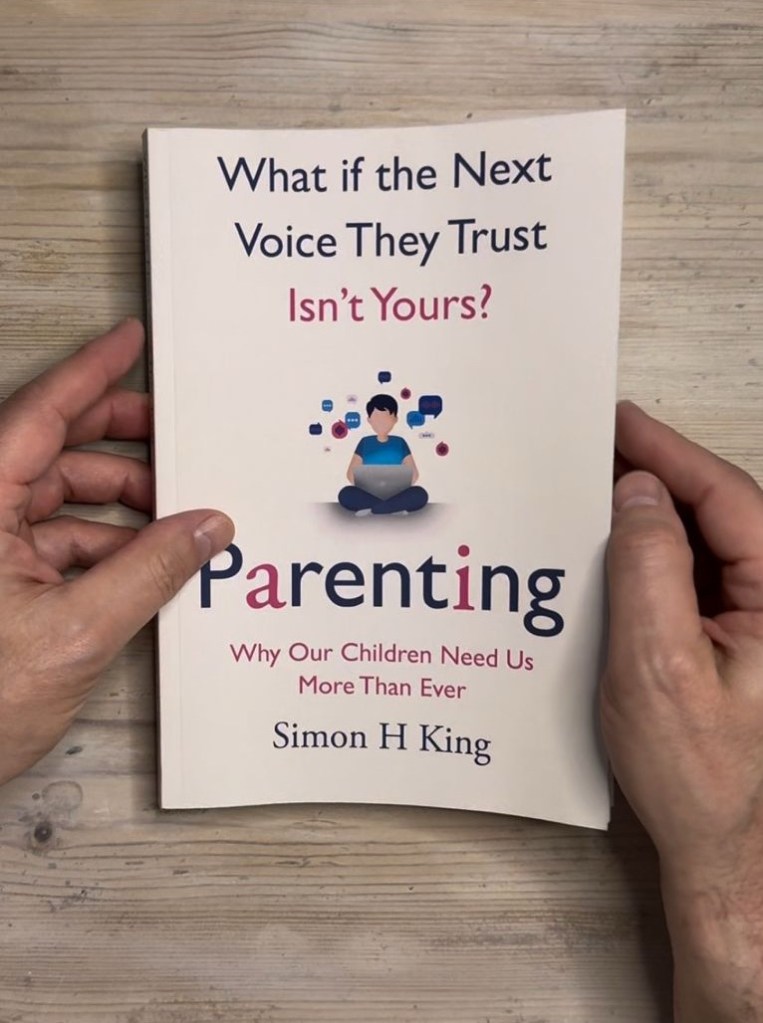
We underestimated the influence of social media. We have an opportunity not to repeat the same mistake with AI.
For more than a decade, social media competed for our children’s attention. Now, Artificial Intelligence (AI) is beginning to compete for our influence.
Your child has questions, too. But what if they don’t ask you? What if they ask AI?
Today’s question might be about homework.
Tomorrow’s might be: ‘Why don’t my friends like me?’
Available in Kindle, paperback and hardback.
This isn’t a distant possibility. Recent Vodafone research conducted with expert guidance from the NSPCC found that:
- 81% of children aged 11-16 say they use AI chatbots.
- 42% of those children are using them every day.
- Almost a third (31%) of those who have used an AI chatbot say it feels like a friend.
Children are already using AI to answer questions, seek advice and find reassurance. Every question can begin a conversation. Conversations can build trust. And trusted voices can influence confidence, beliefs, identity and relationships.
While much of the world focuses on how AI might affect adult jobs tomorrow, What if the Next Voice They Trust Isn’t Yours? asks what conversational AI could mean for our children today.
Blending recent research, relatable stories and practical parenting advice, this book offers a hopeful, balanced guide to help parents:
- Remain emotionally central in their child’s life as technology changes.
- Understand how conversational AI can influence curiosity, learning, creativity, identity and relationships.
- Put practical boundaries and habits in place to help children use AI safely and wisely.
- Strengthen the human relationships children need as AI becomes increasingly capable, available and persuasive.
This isn’t a book about resisting technology or hiding devices. Nor is it about frightening parents.
It’s about understanding what’s changing, preparing children to use AI wisely, and making sure that as artificial intelligence becomes part of everyday childhood, the people our children trust still include the people who love them most.
Help shape your child’s relationship with AI – before AI shapes it for them.
Because the question isn’t whether our children will grow up with artificial intelligence.
It’s whether the next voice they trust is still yours.
Read a free sample:
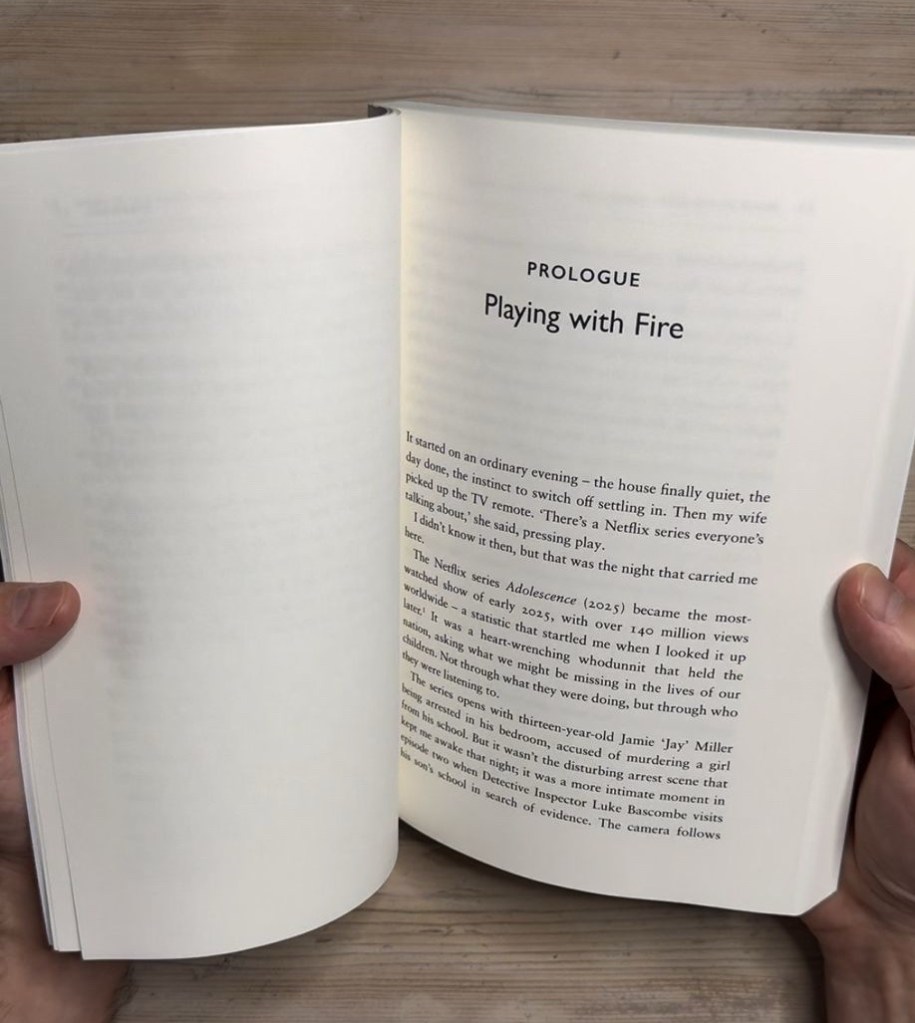
Foreword snippet:
“This book has arrived at exactly the right time. Whilst the world is alive with talk about potential impacts of social media and chatbot relationships, it’s ultimately parents left making decisions that could shape their child’s future in profound ways. Should we allow our children to use an AI companion? Are AI toys safe? How do we preserve curiosity, empathy, and autonomy? As artificial intelligence becomes embedded in everything from tutoring systems to healthcare, entertainment, and social spaces, parents must come together to define their own boundaries and guardrails – and then teach these to their children.
Today’s parents have no choice but to become pioneers.
This book will help start you on that journey.”
— Dr Laura Bishop, PhD (Psychologist specialising in human-technology interaction and mother to 3 teenage children).
Source:
[1]. Vodafone, NSPCC, and Censuswide (Safer Internet Day Research, February 2026), surveying 2,000 UK children and parents aged 11 – 16. https://www.vodafonethree.com/news/ai-chatbots-safer-internet-day-2026
